How Did We Solve the Moisture Crisis in a Factory Using Our Commercial Insulation Services in Livingston, CA?

We solved the moisture crisis in a local factory by replacing failing traditional insulation with high-performance closed-cell spray foam. Our team addressed the root cause of the problem: air infiltration and thermal bridging. By creating a seamless, airtight vapor barrier, we stopped the warm, humid air from hitting cold surfaces, which immediately ended the condensation cycles that were threatening the facility's equipment and inventory.
When we arrived at this Livingston facility, the situation was urgent. Water was literally dripping from the ceiling, and mold had started to form on the old fiberglass batts. This story shows how we use our commercial insulation services in Livingston, CA, to fix industrial building moisture control insulation problems that standard materials simply can't handle. You’ll learn how specific insulation choices impact humidity and why an airtight seal is your best defense against structural damage.
The Hidden Costs of Industrial Moisture
Our team at Supreme Spray Foam – Fresno has seen how humidity can destroy a business from the inside out. In a factory setting, moisture isn't just a comfort issue. It leads to rusted machinery, slippery floors, and contaminated products. Most factories in our area are large, metal structures. Metal is a great conductor of heat, which makes it a magnet for condensation during the cool nights and hot days we see in the Central Valley.
When we inspected the site, we found that the existing insulation had become heavy with water. It was no longer providing a thermal break. Instead, it was holding moisture against the roof deck. We knew we had to act fast to prevent permanent structural corrosion.
Why Standard Insulation Fails in Factories
Many building owners ask us why their current setup isn't working. The truth is that fiberglass and cellulose are porous. They allow air to move through them. When moist air passes through these materials, it reaches the cold outer shell of the building and turns into liquid water.
We’ve observed that industrial facilities often see a 30% drop in insulation performance once moisture starts to accumulate. This creates a cycle where the HVAC system works harder, creating more air movement, which pulls even more humid air into the walls and ceilings.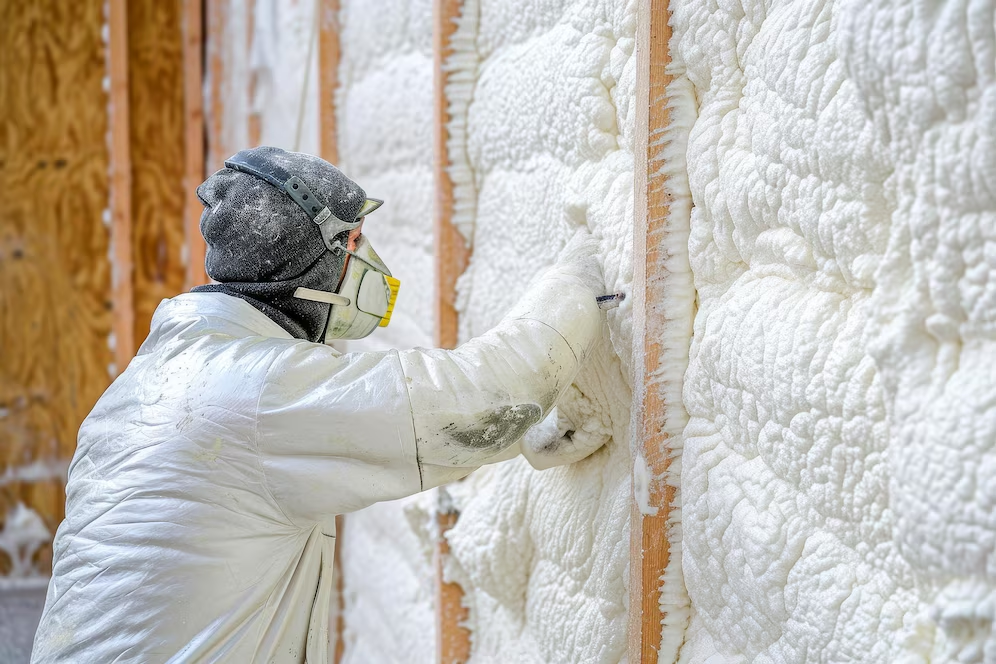
Our Step-by-Step Moisture Control Strategy
To fix the Livingston factory, we followed a specific protocol. We didn’t just spray over the problem. Our process focused on long-term stability and air quality.
Removal and Cleaning: We first removed all the waterlogged fiberglass. Our team then cleaned the metal surfaces to ensure the new material would bond perfectly.
Sealing the Gaps: Factories often have gaps around vents, conduits, and joints. We used commercial spray foam insulation in Livingston, CA, to plug these air leaks.
Applying Closed Cell Foam: We chose closed cell foam because it acts as its own vapor barrier. It is dense and does not allow water to pass through its structure.
Thermal Bridge Elimination: We ensured that every inch of the metal purlins was covered. This stopped the "sweating" effect that happens when metal is exposed to temperature differences.
Comparing Insulation Types for Moisture Control
The table below explains why we recommended specific materials for this moisture control insulation for factories projec

The Science of Vapor Barriers
In our experience, people often confuse a water barrier with a vapor barrier. In a factory, you need both. Closed-cell foam provides a physical shield against leaks, but it also stops water vapor from traveling through the walls. This is why our insulation services for industrial buildings are so effective. We aren't just adding "padding" to the walls; we are changing how the building handles air.
Bonus Tip: If you notice small "raindrops" on your ceiling during the morning, it is likely condensation, not a roof leak. Check your humidity levels before calling a roofer.
Energy Efficiency and Moisture Control
One of the biggest wins for our client was the change in their energy bills. Moisture makes air harder to heat and cool. By drying out the environment, the factory's cooling system didn't have to work as hard to strip humidity from the air. We’ve seen industrial clients save up to 40% on monthly climate control costs after a proper insulation upgrade.
Things to Consider Before Making a Decision
When you are looking at industrial moisture buildup solutions, there are several factors to weigh before choosing a contractor or a material.
The Building’s Usage: Is your factory producing heat or steam? High-moisture processes require more aggressive insulation strategies.
Access and Downtime: Spray foam application requires a clear workspace. We work with our clients to schedule phases so that production doesn't have to stop entirely.
Existing Damage: If your roof or walls have significant rust, these must be treated before we apply new insulation.
Future Renovations: Spray foam is a permanent solution. Think about any planned electrical or plumbing changes before we seal the walls.
Addressing Mold and Air Quality
Preventing mold in industrial facilities is a top priority for us. Mold spores can ruin food products or cause respiratory issues for workers. By using spray foam, we eliminated the organic material that mold usually grows on, like the paper backing of old fiberglass. Since spray foam is inorganic, it doesn't provide a food source for mold or pests.
Bonus Tip: Keep your indoor relative humidity below 50%. This, combined with our insulation, makes it nearly impossible for mold to take root.
Expert Solutions for Common Factory Issues
We often get asked how to fix moisture issues in factories that have unique layouts. Every building has a different "breathability" requirement. While we want to seal air leaks, we also look at how the building’s ventilation works. Our goal is to create a controlled environment where you decide where the air goes, rather than letting the wind blow through cracks in the siding.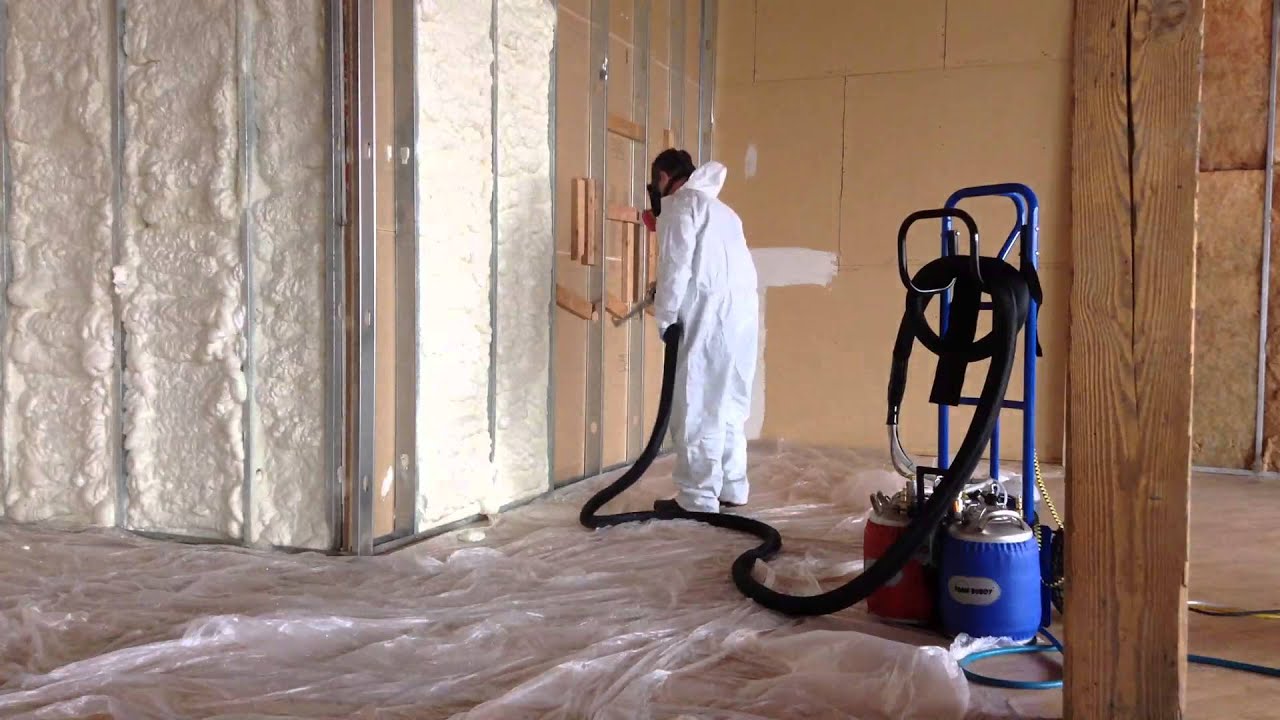
How to Identify Insulation Failure in Your Facility
We recommend a walk-through once a month. Look for sagging materials, dark spots on the ceiling, or a "musty" smell. These are the first signs that your commercial building's humidity control solutions are no longer working. If you catch these early, we can often perform spray foam repairs rather than a full replacement.
Common Questions About Factory Insulation
How long does the installation process take for a large factory?
The timeline depends on the square footage and the height of the ceilings. For most mid-sized factories in Livingston, we can complete the primary spray work in three to five days. We use specialized equipment to reach high peaks and ensure total coverage without a long delay in your operations.
Will spray foam make the factory too hot in the summer?
Actually, it does the opposite. By blocking the sun's heat from radiating through the metal roof, the interior stays significantly cooler. It acts as a thermal shield, keeping the heat out during our hot Central Valley summers and keeping the warmth in during the winter.
Is spray foam safe for food processing environments?
Yes, once the foam has cured, it is inert and does not off-gas. We have used our commercial spray foam insulation in Livingston, CA, for various facilities with strict cleanliness standards. We always ensure proper ventilation during the application process to meet safety requirements.
Can you spray over old insulation?
We generally advise against it if the old insulation is wet or moldy. Spraying over a problem just traps the moisture against your building's frame. We prefer to start with a clean surface to ensure the foam bonds correctly and provides the airtight seal you're paying for.
Does spray foam help with noise reduction in a factory?
While closed-cell foam is primarily for moisture and thermal protection, it does provide a significant sound-dampening effect. It reduces the "tinny" echoing common in metal buildings, making the work environment much quieter for your employees.
Practical Steps for Your Business
Managing a large facility is difficult when the environment is working against you. Moisture control is not just about comfort; it is about protecting your investment. By choosing the right materials and a team that understands the local climate, you can turn a problematic building into a high-performance asset. We recommend starting with a professional assessment to see where your current insulation is failing.
Work With Our Team
If your facility is struggling with humidity or high energy costs, we are here to help. Our team at Supreme Spray Foam – Fresno specializes in solving the toughest moisture problems with our commercial insulation services. We can help you protect your building and improve your bottom line. To discuss your project or schedule an inspection, feel free to contact us at (559) 545-0800 or send an email to info@supremesprayfoamfresno.com. We look forward to helping you create a more efficient workspace. You can also find us on the map at https://maps.app.goo.gl/JSTCtTah5v1NkecC9 to see how we’ve helped other neighbors in the Central Valley area. We look forward to helping you make your home more comfortable.


Comments
Post a Comment